Nobody wants to spend their vacation stuck on the side of the road with an overheating engine or dead battery. Before you hook up the trailer or fire up the motorhome, take the time to go through our complete inspection checklist!
Inspect Your Engine and Fluids First
Your RV’s engine works hard during summer travel, especially in high temperatures and while towing heavy loads. Start by checking all critical fluids and topping off anything that’s low.
Pay close attention to:
- Engine oil
- Coolant
- Transmission fluid
- Brake fluid
- Power steering fluid
- Windshield washer fluid
Dirty or degraded fluids can reduce cooling performance and increase wear on major components. Your cooling system plays a huge role in preventing overheating during long highway drives. If your coolant looks rusty, cloudy, or contaminated, it may be time for a flush.
Test Your RV Battery and Charging System
After sitting through winter storage, RV batteries often lose charge or develop corrosion. Summer heat can also stress weak batteries and shorten their lifespan.
Inspect the battery terminals for corrosion buildup and clean them if necessary. Then test the battery voltage to ensure it holds a proper charge.
You’ll also want to inspect the alternator and charging system. A failing alternator may not recharge the battery properly while driving, leaving you stranded later in your trip. If your lights dim, electronics flicker, or the RV struggles to start, your charging system could need attention.
Examine Your Tires Carefully
Tires are one of the most overlooked parts of RV maintenance, yet they’re among the most important safety components on your vehicle.
Inspect every tire for:
- Uneven tread wear
- Dry rot or sidewall cracking
- Embedded debris
- Bulges or deformities
- Improper inflation
Summer heat increases tire pressure and raises the risk of blowouts, especially on older RV tires. Check the DOT date code as well. Even tires with decent tread may need replacement if they’re more than five to seven years old.
Don’t forget to inspect the spare tire too. It’s amazing how many travellers discover their spare is unusable after a roadside emergency.
Check Your Brakes Before Hitting the Highway
Your RV’s brake system handles enormous stress, particularly when descending grades or towing heavy equipment. If your brakes feel soft, make noise, vibrate, or take longer to stop, have them inspected immediately.
Brake components that deserve attention include:
- Brake pads and shoes
- Rotors and drums
- Brake lines
- Calipers
- Brake fluid condition
Heavy-duty brake systems rely on proper friction and heat dissipation to perform safely. Worn brake components can quickly become dangerous during summer mountain travel or stop-and-go traffic.
Inspect Belts and Hoses
Rubber components deteriorate over time, especially after exposure to temperature swings during winter storage.
Inspect all visible:
- Serpentine belts
- Radiator hoses
- Heater hoses
- Vacuum lines
Look for glazing, cracking, fraying, or soft spots. A failed serpentine belt can disable your cooling system, alternator, and water pump all at once, turning a relaxing vacation into a major repair bill.
Service Your RV Air Conditioning System
There’s nothing worse than discovering your air conditioner barely works halfway through a summer road trip.
Turn on your rooftop or dash AC system and verify:
- Cold airflow
- Proper fan operation
- No unusual noises
- No musty odours
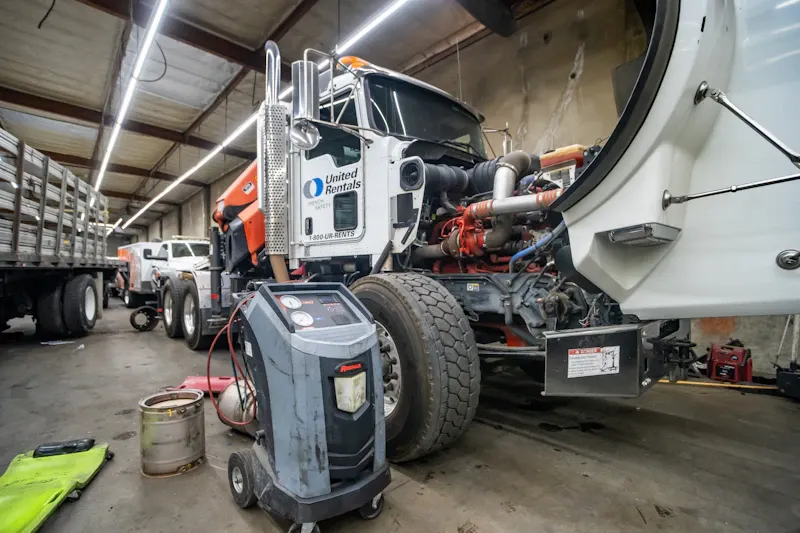
If airflow feels weak, replace dirty cabin air filters and clean the vents. Low refrigerant levels or failing compressors may require professional diagnostics.
Your AC system uses refrigerant to absorb and release heat efficiently throughout the cooling cycle. If the system struggles to maintain temperature, it may have leaks or component wear.
Inspect Your RV Roof and Seals
Water leaks can destroy an RV interior faster than almost anything else. Before summer storms roll in, thoroughly inspect the roof and exterior seals.
Pay attention to:
- Roof seams
- Skylights
- Vents
- Window seals
- Slide-outs
- Exterior compartments
Look for cracked sealant, loose trim, or signs of moisture intrusion. Reseal any damaged areas before your first trip.
Test All Lights and Electrical Systems
Electrical issues become frustrating quickly when you’re travelling. Test every system before leaving home.
Check:
- Headlights
- Brake lights
- Turn signals
- Interior lighting
- Trailer connectors
- Shore power hookups
- Generator operation
If your RV includes solar charging systems, verify that the controller and batteries are functioning properly.
Electrical inspections also help identify rodent damage from winter storage. Mice love chewing on wiring insulation during colder months.
Sanitize Your Fresh Water System
If your RV has been parked all winter, your freshwater system likely needs cleaning before use.
Flush and sanitize:
- Freshwater tanks
- Water lines
- Faucets
- Shower heads
- Ice makers
Many RV owners use a diluted bleach solution to disinfect the system safely. Once sanitized, flush everything thoroughly until odours disappear.
Inspect Your Suspension and Undercarriage
Long-distance summer travel puts significant stress on your suspension system and undercarriage components.
Inspect for:
- Worn shocks
- Leaking suspension components
- Damaged leaf springs
- Loose fasteners
- Rust buildup
Worn shocks and damaged suspension components reduce handling stability and increase tire wear. If your RV feels unstable, sways excessively, or bounces after hitting bumps, it’s time for suspension service.
Restock Emergency Supplies
Even a perfectly maintained RV can experience unexpected issues. Smart travellers prepare ahead of time.
Keep these essentials onboard:
- Jumper cables
- Flashlights
- Extra coolant
- Engine oil
- Basic tool kit
- Tire pressure gauge
- Portable air compressor
- First aid kit
- Emergency triangles
If you’re travelling through remote areas of Wyoming or mountain terrain, extra water and backup power supplies are also a good idea.
Don’t Forget Generator Maintenance
Many RV owners overlook generator service until it fails during a heatwave.
Inspect and service your generator by:
- Changing the oil
- Replacing filters
- Checking fuel lines
- Running a load test
- Inspecting electrical output
Generators that sit unused for long periods can develop fuel system issues, stale fuel buildup, and hard-start conditions.
Final Walkaround Before Departure
Before you leave the driveway, complete one final inspection.
Double-check:
- Hitch connections
- Safety chains
- Tire pressures
- Slide-outs
- Antennas
- Storage compartment latches
- Awning security
A five-minute walkaround can prevent expensive mistakes and dangerous situations on the road.
Enjoy a Safer, Smoother Summer RV Season
Summer RV travel should feel exciting, not stressful. Taking the time to inspect your RV maintenance checklist, cooling systems, tires, brakes, and electrical components helps reduce breakdown risks while improving safety and comfort.
Whether you’re planning weekend camping trips or cross-country adventures, preventive maintenance always pays off in the long run. A little preparation today can save you thousands in repairs tomorrow.
.webp)
%20(1).webp)
%20(1).webp)
.webp)
%20(1).webp)
.webp)
%20(1).webp)
.webp)
.jpg)
.webp)
.webp)
%20(1).webp)
.webp)
.webp)