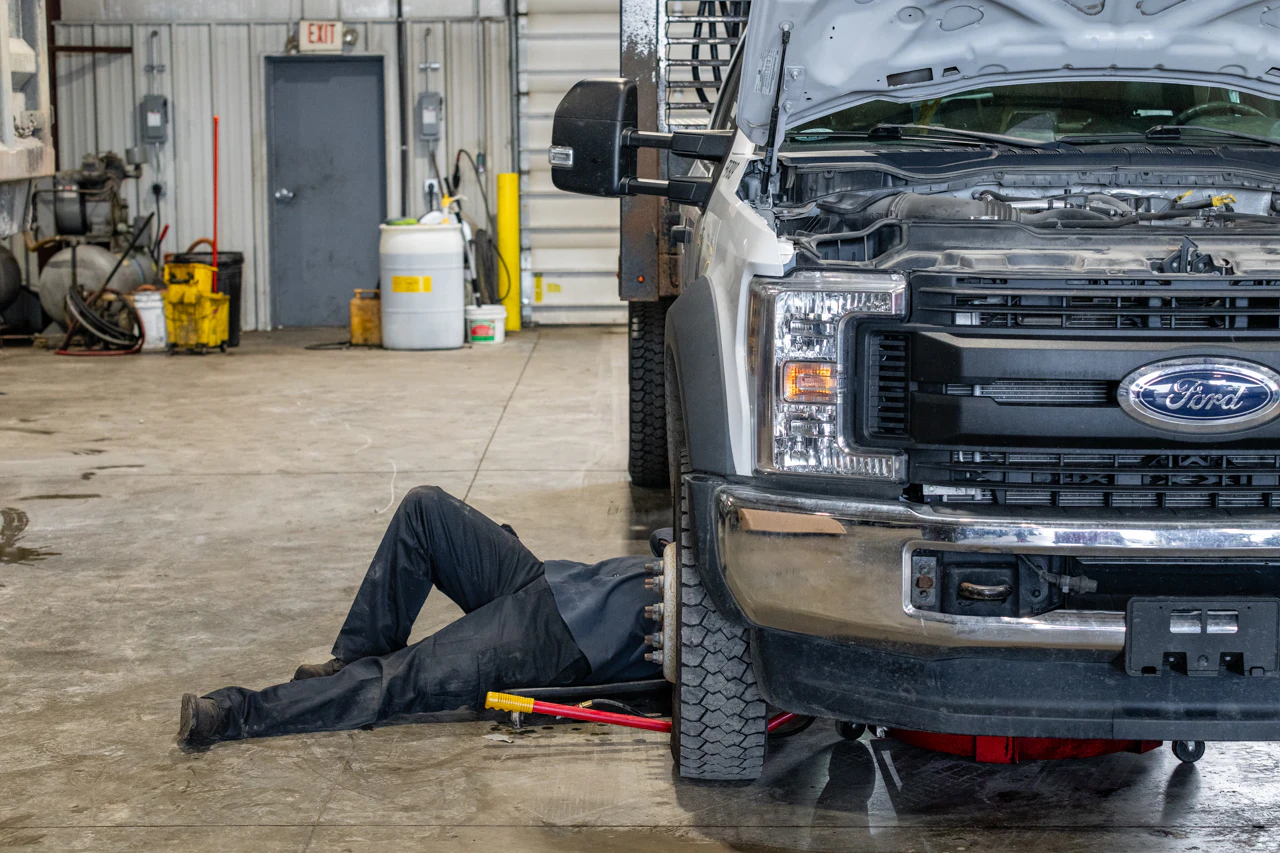
You might think that a diesel is a diesel. But the truth is, not all diesel trucks are created equal. When it comes to light-duty diesel repairs, you’re playing a whole different ballgame than with their heavy-duty cousins. From system complexity to service intervals, the distinctions are critical for your truck’s longevity and performance.
And this comes as no surprise. If you’re running or maintaining a light-duty diesel like a Ford F-250, RAM 3500, or Chevy Silverado 2500HD, this one’s for you.
The Lighter Load Still Packs a Punch
Light-duty diesel trucks, classified as Classes 1 to 3 and with a Gross Vehicle Weight Rating (GVWR) up to 14,000 pounds, are designed for versatile roles. Whether you’re hauling a trailer, running a farm, or tackling a tough commute, they’ve got the torque, fuel economy, and durability to get it done.
But here’s the catch: these trucks are built differently from heavy-duty haulers, and that affects everything from how they break down to how they need to be maintained.
Smaller Frame, Tighter Tolerances
What’s really cool about heavy-duty trucks is their sheer size. They’re massive, which means there’s more room in the engine bay, more forgiving tolerances, and parts built to handle near-constant strain. Light-duty diesel trucks, on the other hand, squeeze a high-powered diesel engine into a smaller frame. That means:
- Tighter engine compartments make diagnostics and repairs trickier.
- Less robust cooling systems make them more prone to overheating if neglected.
- Components that wear faster under consistent heavy loads or towing. This is particularly true if you're pushing the limits of your truck's design.
Translation? You can’t afford to delay maintenance just because it’s “only” a light-duty diesel.
Emission Systems Are More Sensitive
Modern light-duty diesel engines are equipped with emissions technologies: Diesel Particulate Filters (DPFs), Exhaust Gas Recirculation (EGR) systems, Diesel Oxidation Catalysts (DOCs), and Selective Catalytic Reduction (SCR) systems using Diesel Exhaust Fluid (DEF).
These systems are highly effective, but also highly sensitive. Any instance of neglect, like extended idling or poor-quality DEF, can cause:
- Clogged DPFs requiring forced regens
- EGR valve failure from excessive soot
- Check engine lights tied to NOx sensor faults
The fix? Regular highway driving, scheduled regens, and sticking to OEM service intervals. This means not waiting until your dashboard lights up.
Preventive Maintenance Matters More Than Ever
Here’s the thing: with light-duty diesels, there’s less room for error. A skipped oil change or neglected fuel filter swap might not kill a big rig right away, but it could sideline your truck with injector issues, turbo wear, or low compression faster than you think.
Stay ahead with:
- Oil changes every 5,000–7,500 miles (more often if towing)
- Fuel filter changes every 15,000–20,000 miles
- Transmission fluid and differential checks annually
- Battery and glow plug inspections before cold weather hits
If you’re running your truck hard, you might even consider a fluid analysis to spot wear patterns early.
Tuning and Modifications? Double-Edged Sword
It's tempting to squeeze out more power or improve MPG with an ECM tune, a cold-air intake, or an upgraded exhaust. And sure, light-duty diesel trucks can be fun to mod.
But here’s the risk: many aftermarket modifications push emissions systems beyond factory spec. That could result in:
- Warranty voids
- Failed emissions tests
- Expensive repairs to sensors and DEF systems
The smart move? If you're tuning, work with a shop that understands diesel compliance laws and how to protect your engine's long-term health.
Mobile Service and Light Duty Diesel Repairs
Light-duty diesel repairs are prime candidates for mobile maintenance. Unlike Class 8 trucks that need heavy lifts and specialized tools, many light-duty jobs can be done on-site:
- Oil & filter changes
- Brake inspections
- Fluid top-offs
- Glow plug replacements
- Battery swaps
- DPF regens and diagnostics
For fleet owners or busy tradespeople, this kind of on-location service keeps downtime minimal and productivity high.
Common Light-Duty Diesel Failures And What Causes Them
When it comes to some of the most frequent failure points for light-duty trucks, we often see:
- Turbocharger Wear – Often caused by neglected oil changes or poor-quality filters.
- Injector Failure – Dirty or low-quality fuel, skipped fuel filter maintenance.
- DPF Clogs – Excessive idling or failure to reach regen speeds regularly.
- Head Gasket Issues – Overheating from low coolant or radiator issues.
- Glow Plug Failure – Age, cold climate starts, or electrical faults.
Now, the trick is to spot these early with regular inspections. And if you hear whistling, see smoke, or feel sluggish acceleration, don’t ignore it.
Light Duty Doesn’t Mean Low Maintenance
If there’s one takeaway here, it’s this: light-duty diesel engines demand just as much attention—if not more—than heavy-duty rigs. The difference? You’re working with a more compact, sensitive system where small oversights can quickly become big problems.
The good news? With regular inspections, scheduled maintenance, and informed decisions, your light-duty diesel will keep pulling, hauling, and running like a champ for years to come.
Need expert insight on your diesel pickup? Reach out to Patriot Diesel Service today and let’s build a maintenance plan that keeps your truck on the road—not in the shop.
%20(1).webp)
%20(1).webp)
.webp)
%20(1).webp)
.webp)

%20(1).webp)
.webp)
.jpg)
.webp)
.webp)
%20(1).webp)
.webp)
.webp)